Sustainable Fungal Bioremediation of Amoxicillin and Favipiravir Using Aspergillus flavus Isolated from Contaminated Wastewater
DOI:
https://doi.org/10.67329/4rc1ht18Keywords:
Aspergillus flavus, Fungal bioremediation, Amoxicillin, Favipiravir, Pharmaceutical contaminants, Wastewater treatment, High-performance liquid chromatography (HPLC), Scanning electron microscopy (SEM)Abstract
Background: In wastewater treatment plants, pharmaceuticals are constantly being exposed to low levels as a result of inadequate removal, which raises serious concerns about their possible impacts on humans. The most commonly encountered pharmaceuticals in wastewater treatment plants are removed at 0% (Carbamazepine, Clarithromycin, Erythromycin, Estrone, Lincomycin, and Spiramycin).
Objectives: The objective of this study was to isolate and evaluate fungal strains from contaminated wastewater for their ability to biodegrade the pharmaceuticals amoxicillin and favipiravir, and to characterize the degradation process using HPLC and SEM analyses.
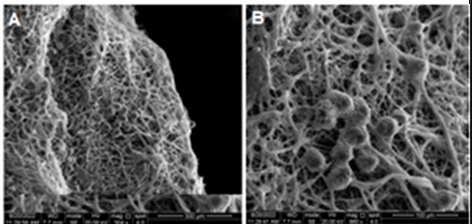
Methods: Aspergillus flavus was isolated from soil samples collected from pharmaceutical-contaminated sites along the Tigris River. Using favipiravir and amoxicillin as the only carbon sources, the biodegradation technique was studied in a prior medium. The primary degradation intermediates of strain A of fungal hyphae were examined using a scanning electron microscope before and after 7 days of treatment to determine antibiotic accumulation and morphological changes in fugal hyphae. The primary degradation intermediates were analyzed using high-performance liquid chromatography (HPLC).
Results: The highest biodegradation efficiency was observed for favipiravir, with a removal rate of 91%, whereas amoxicillin showed a lower degradation percentage under the tested conditions. HPLC data showed that the reference Amoxicillin's A. flavus retention time was 8.12 minutes following biodegradation. This drug then broke down into three other compounds, each with a different retention time: 3.78 minutes by 85.25%, 5.80 minutes by 45.44%, and 8.5 minutes by 25.59. Two materials occurred in 2.20 minutes by area: 62.58% and 6.16 minutes by area: 20.15%, following treatment. SEM images revealed particle accumulation on the fungal hyphae after treatment.
Conclusion: This study confirmed that A. flavous is a novel (Amoxil Flavinol)-degrading strain, providing a new environmentally friendly and cost-effective disposal method for antibiotics wastes water treatment.
Downloads
Downloads
Published
License
Copyright (c) 2026 Rana H Hameed (Author)

This work is licensed under a Creative Commons Attribution 4.0 International License.