
Impact of indole against persister cell Pseudomonas aeruginosa isolates
DOI:
https://doi.org/10.67329/tznf2p82Keywords:
Antibacterial activity, Biofilm, Indole, PersisterAbstract
Background: Because of their metabolic dormancy and antibiotic resistance, persister cells pose a serious threat to the treatment of chronic infections.
Objective: The antibacterial activity of indole against Pseudomonas aeruginosa persister isolates is examined in this work.
Methods: In Baghdad, Iraq, fifty clinical isolates of P. aeruginosa were gathered from different sources. A quick killing technique was used to identify persister cells. The agar well diffusion method was used to assess indole's antibacterial activity, and the microtiter plate method with resazurin dye was used to calculate the Minimum Inhibitory Concentration (MIC).
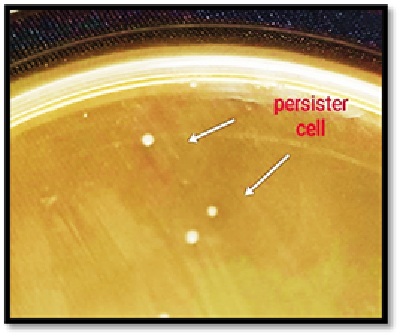
Result: Five (10%) of the fifty isolates were identified as persisters. With inhibition zones spanning from 25 to 37 mm, indole demonstrated strong antibacterial action. It was discovered that the MIC values for indole against these persistent isolates ranged from 156.25 to 312.5 μg/ml.
Conclusion: The results show that indole is a promising antibacterial drug that can target persister cells of P. aeruginosa. It is advised to conduct an additional study to investigate the underlying processes of this action in order to create innovative treatment approaches for chronic bacterial infections that are chronic.
Downloads
Downloads
Published
License
Copyright (c) 2026 Alaa Mahmood Alhanoon (Author)

This work is licensed under a Creative Commons Attribution 4.0 International License.